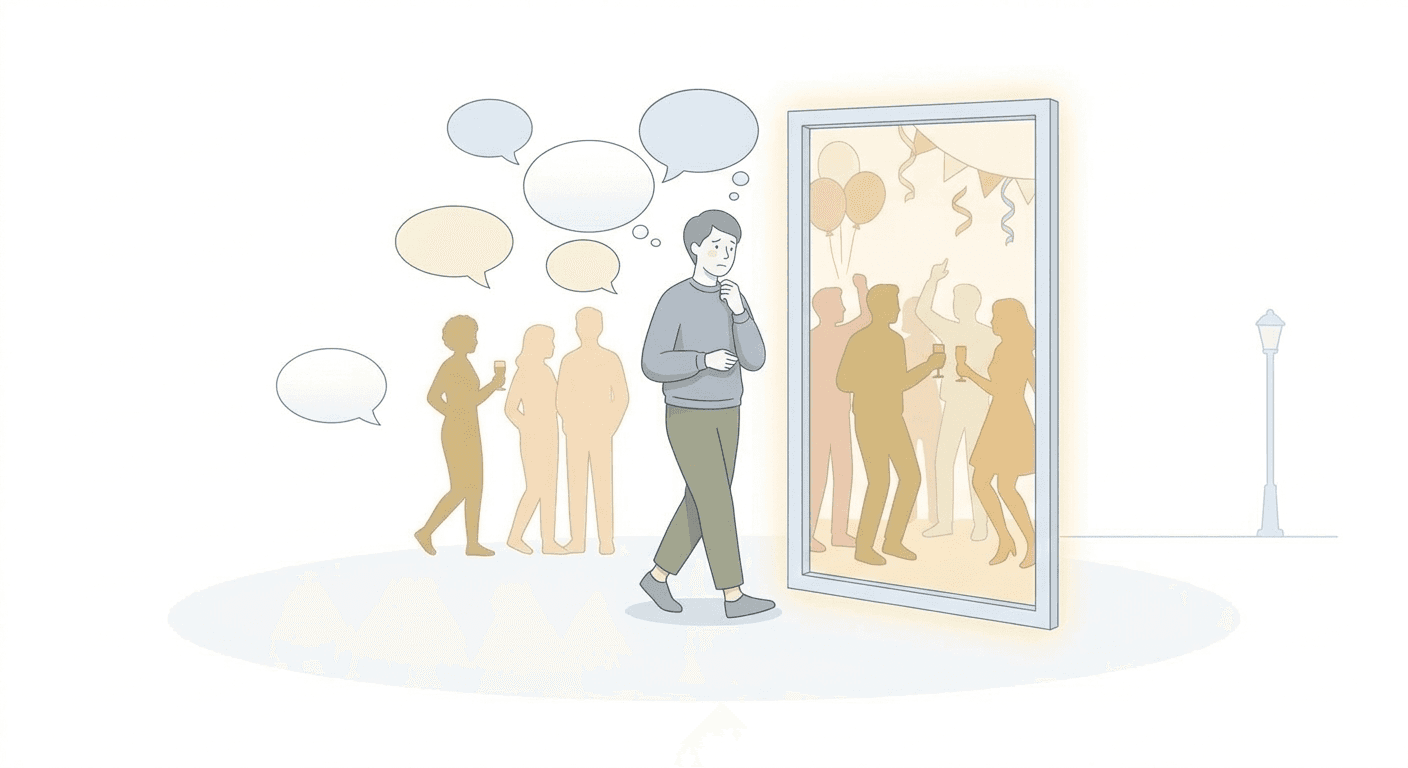
How to Feel Comfortable Being Seen in Public With Social Anxiety
Learn what makes going outside feel so overwhelming when you have social anxiety, and discover step-by-step ways to feel more at ease in public.
6 min read • Exposure Strategies
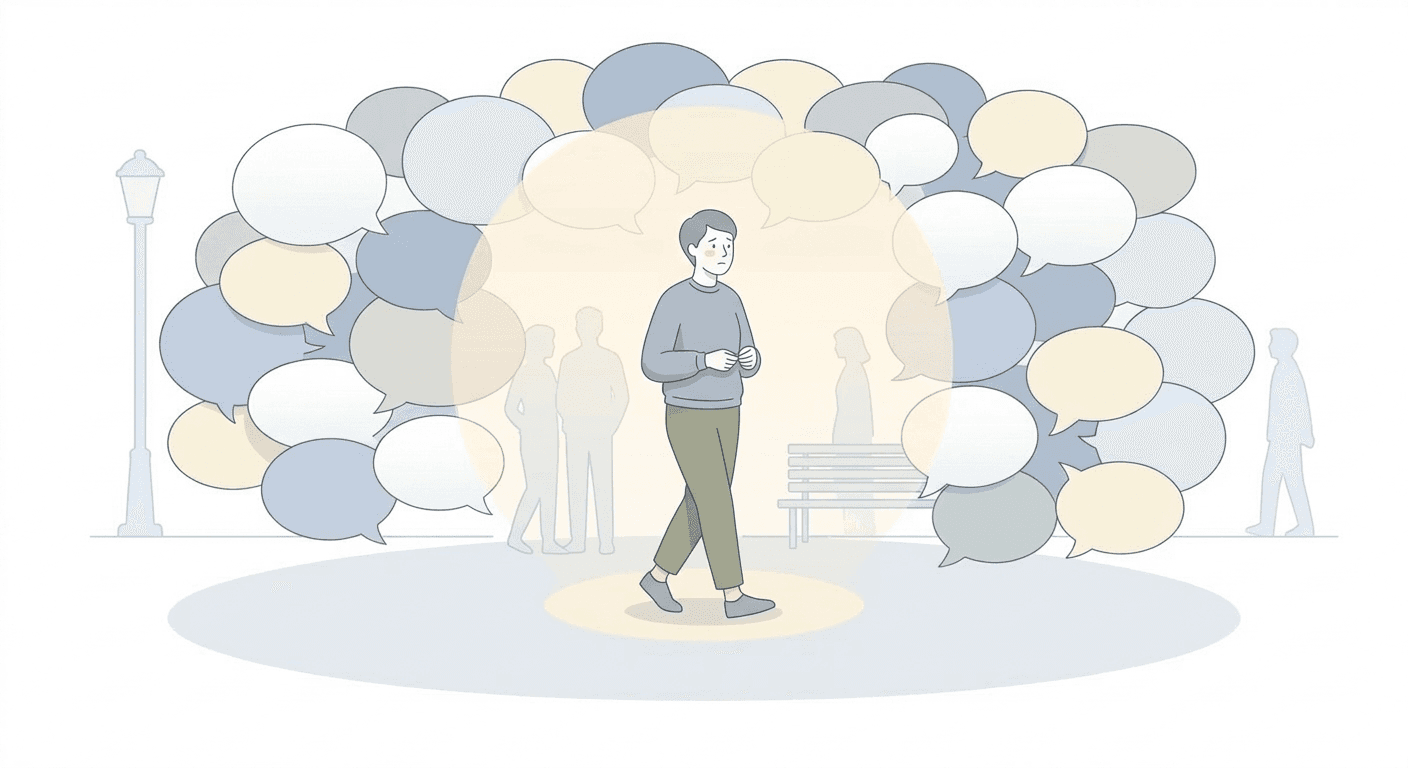
Scenario
Being seen in public spaces
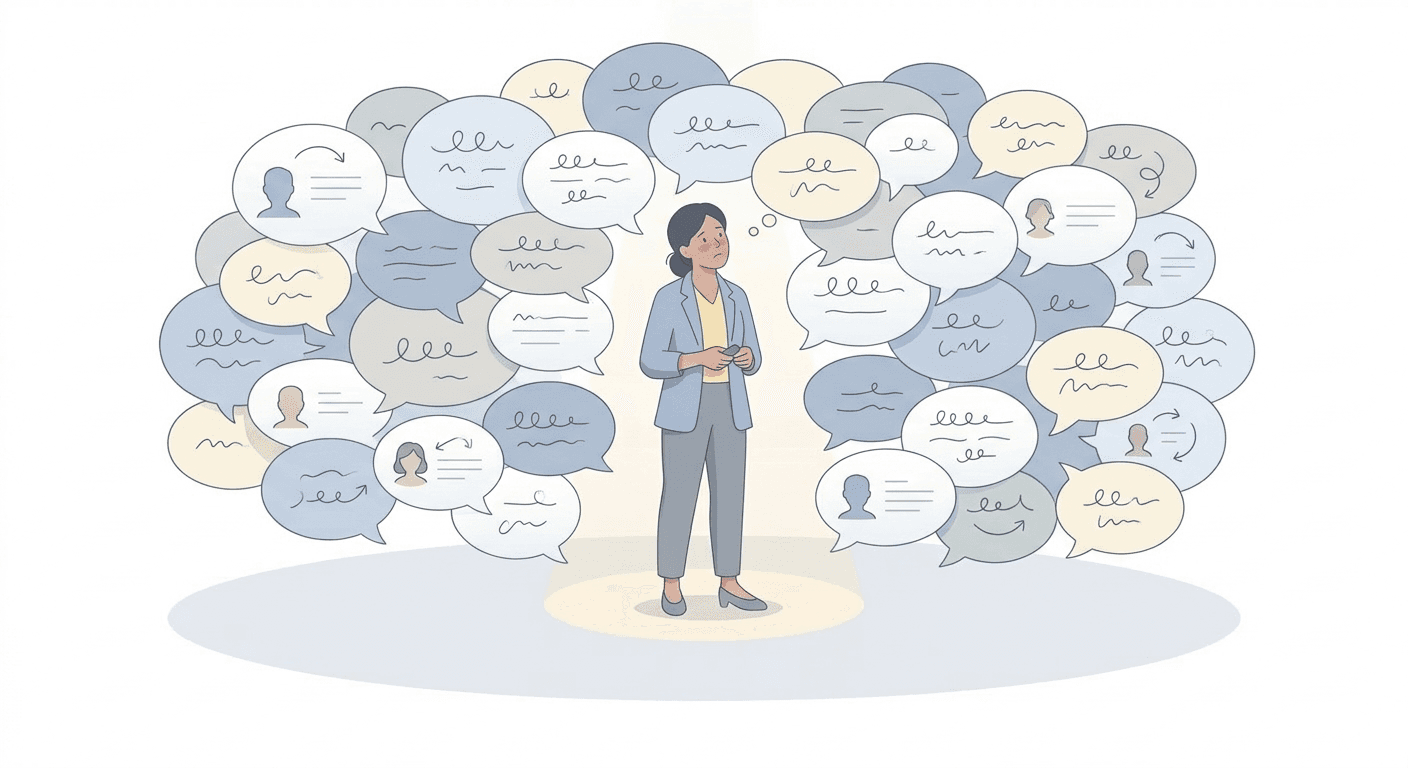
Everyday moments in public can feel overwhelming when your brain treats being seen by others as something dangerous.
What you'll learn
- why this behavior happens
- signs you might recognize in yourself
- exposure steps to gradually reduce it
Key Idea
When being seen feels dangerous, avoiding public places can become automatic. Getting out there in small, repeatable steps helps your brain learn that it is safe.
Introduction
Social anxiety can make going outside feel overwhelming because your brain treats being seen by strangers as something dangerous. You feel like everyone is watching and judging you, even when you are just walking down a street or sitting in a coffee shop. This fear of being seen in public is one of the most isolating parts of social anxiety, but it gets a lot better with gradual practice.
Signs You Might Be Experiencing This
- You avoid going to stores, restaurants, or public spaces unless you absolutely have to.
- You time your errands to avoid busy hours when more people are around.
- You feel painfully self-conscious about how you walk, stand, or look when others can see you.
- You wear headphones, sunglasses, or a hood to feel less visible.
- You cross the street or change your route to avoid walking past people.
- You feel a strong urge to get back home as fast as possible once you are outside.
- You turn down invitations that involve being in public.
- You feel physically tense — shallow breathing, stiff posture, clenched jaw — whenever you are around strangers.
Why This Happens
This fear comes from your brain's alarm system. For someone with social anxiety, being visible to others sets off the same alarm that would go off in a truly dangerous situation. Your brain sees strangers as people who might judge you, and every glance feels like criticism.
The spotlight effect plays a big role here. You believe that people are paying way more attention to you than they actually are. In reality, most strangers in public are wrapped up in their own thoughts and barely notice you are there. But when you have social anxiety, every passing look feels like someone is deliberately sizing you up.
Over time, avoiding public spaces makes the fear stronger. Your brain never gets the chance to learn that nothing bad actually happens when people see you. The outside world starts to feel more and more scary, and home becomes harder and harder to leave.
Common Thoughts
Everyone is looking at me and thinking something negative.
I look weird. People can tell something is off about me.
What if someone tries to talk to me and I freeze?
People are probably wondering why I'm alone.
I need to get out of here as fast as possible.
If I could just be invisible, everything would be fine.
These thoughts create a loop: the more you believe people are watching, the more self-conscious you feel, which makes you feel even more visible and exposed.
Exposure Ladder
Move through these levels gradually and repeat a level until anxiety starts to settle.
Goal
Start getting used to being visible again in a very small way.
Exercise
Step outside your front door and stand or sit for two minutes. You do not need to go anywhere — just be outside.
Expected anxiety
Low to mild anxiety, usually short-lived.
Why it works
It gets you started without needing to talk to anyone.
Why Avoidance Makes Anxiety Worse
Staying home feels safe, and it is tempting to believe that avoiding public spaces is a good way to manage the anxiety. But each time you stay in, your brain records a message: outside is dangerous, home is the only safe place.
Over time, your comfort zone shrinks. Things that used to feel manageable — grocery shopping, picking up a package, going for a walk — start feeling impossible. The relief you get from avoiding is real, but it is short-lived and it comes at the cost of your world getting smaller.
The avoidance cycle is especially strong with this kind of anxiety because public spaces are part of everyday life. The more you avoid them, the more limited your life becomes, and the harder it feels to go back out.
Avoidance often creates a loop: avoid the situation, feel relief, then feel even more anxiety the next time.
Ollie App
Practice these situations in real life
Ollie knows that the fear of being seen in public is deeply personal and different for everyone. Instead of generic advice like "just go outside," Ollie creates specific, step-by-step practice tasks based on your comfort level and the particular parts of being in public that make you anxious.
Related Situations
You might also relate to:
How to Handle Presenting in Class With Social Anxiety
How to Stop Your Mind Going Blank When Talking to People
How to Stop Rehearsing Conversations in Your Head